
Bioinorganic Chemistry
Our research field – BioInorganic Chemistry, started on late 2007. Our BioInorganic research has been concentrated on metal complexes, especially with Ag+, Zn2+, VO2+ and Au+/3+ ions with organic compounds. Our organic syntheses have been focused on condensation between aliphatic and aromatic amines, sulfonamides and amino acids, isoniazid, pyraminazide, nicotinamide and other with natural aldehydes.
Metal complexes are active against gram positive and negative bacteria, mycobacteria, especially against M. tuberculosis, and some of them are have anticancer properties. In addition, some complexes, specifically, vanadium ones, were tested against Leishamina and excellent outcomes have been reached.
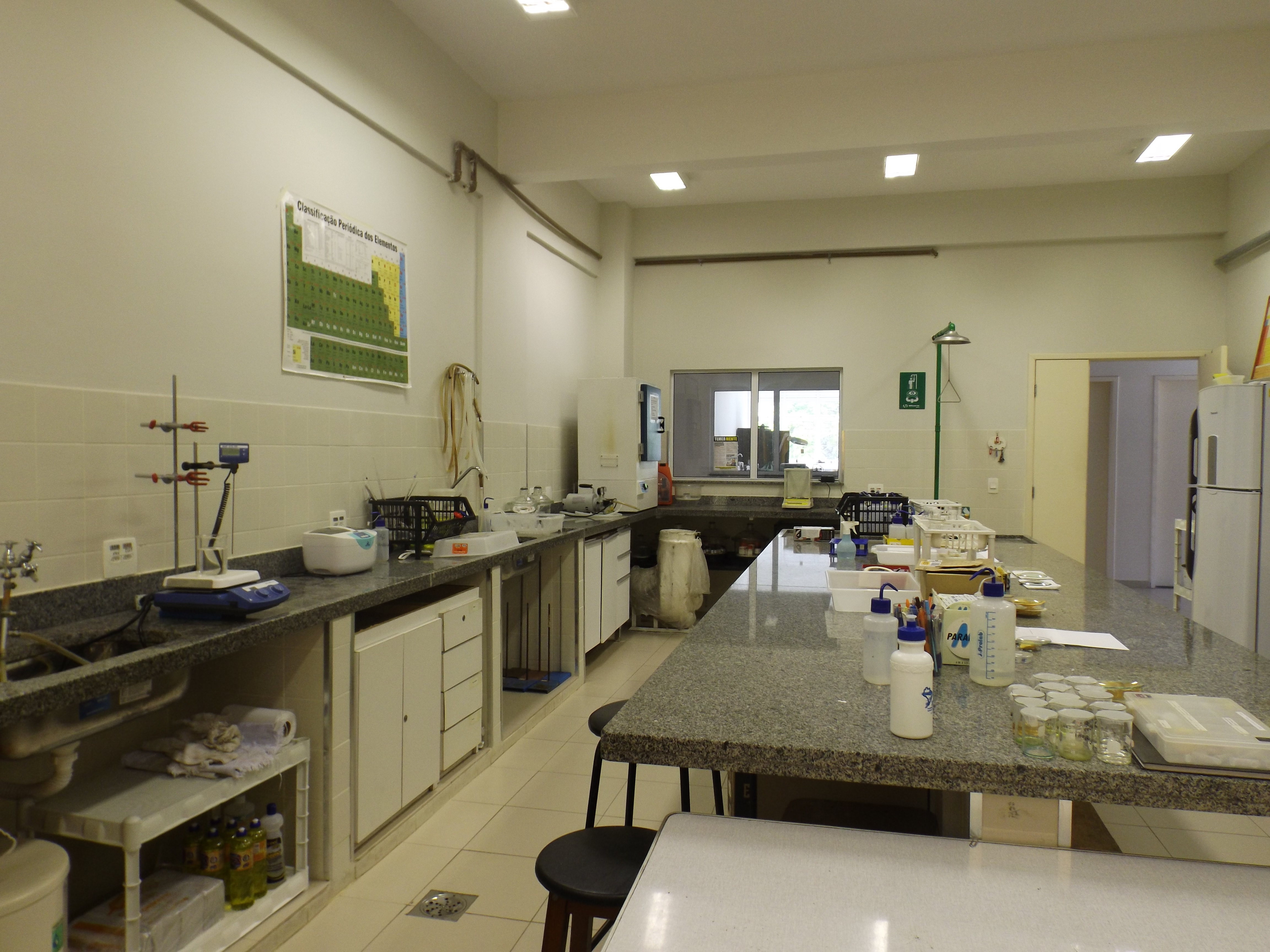
OverView of Wet Chemisty Lab,3
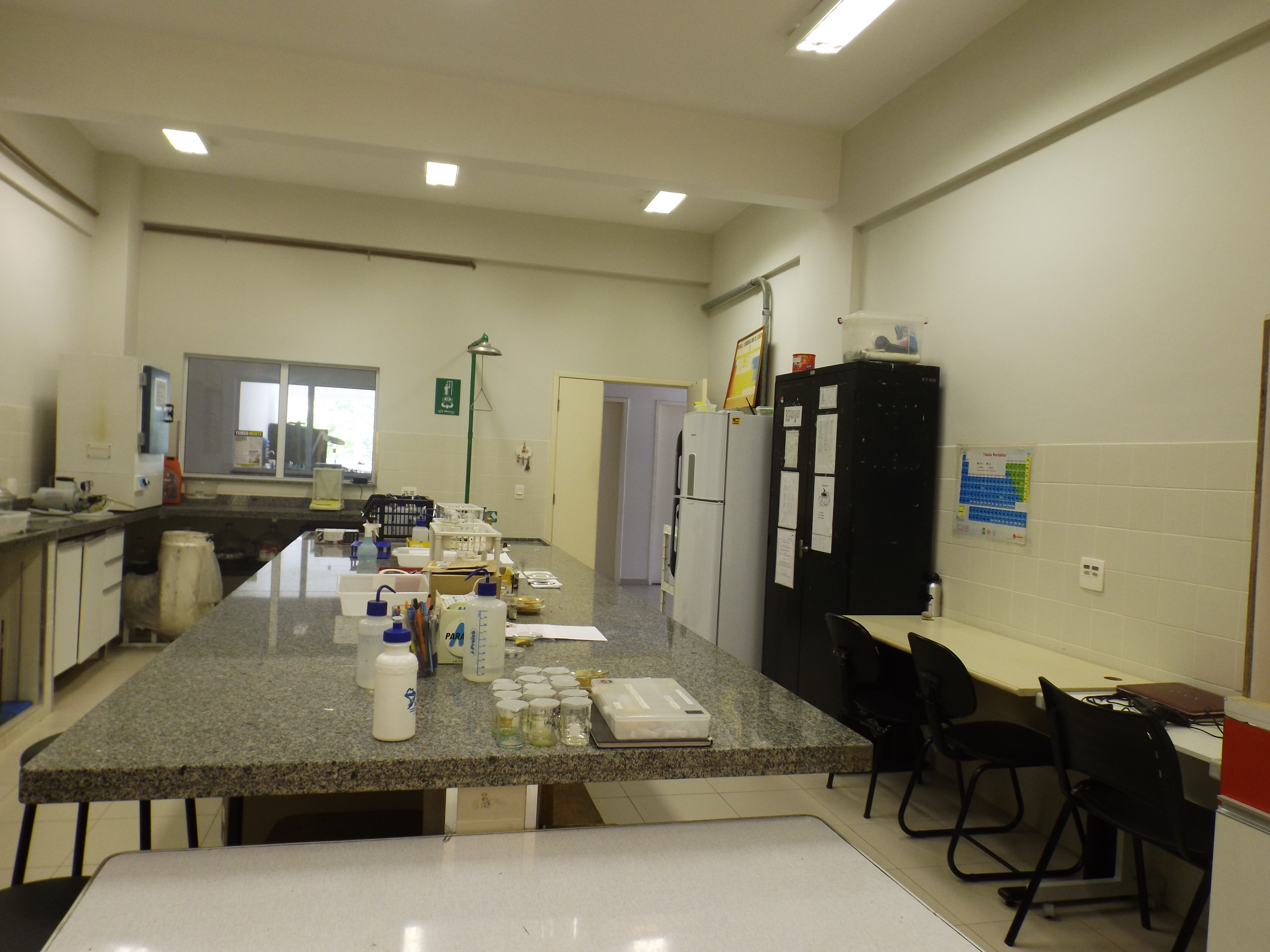
OverView of Wet Chemisty Lab, 2
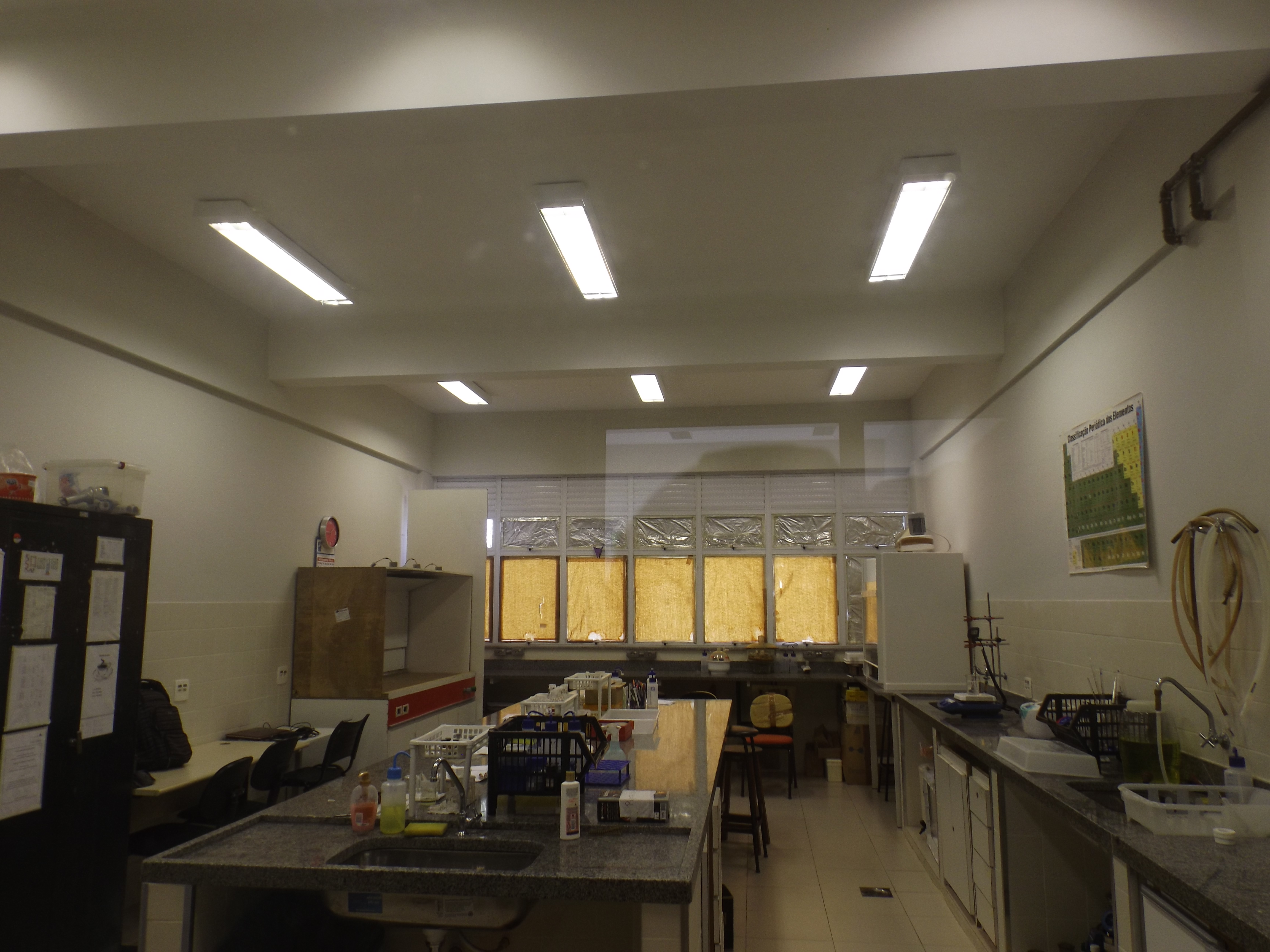
OverView of Wet Chemisty Lab
Crystallographic Studies
Since 2013, the Bruker D8 diffractometer has been in operation in the Chemistry Department, making a number of X-ray diffraction measurements on polycrystalline samples, for our own Research group as well other research groups.
Our research group has great expertise studying powder diffraction data, specifically, for solving and refining crystal structure models for material with unknown structures. As well, measurements and analysis of phase identification and quantification are provided by our research group. Our Diffractometer is able to make measurement from -15oC to 1000 oC.
If you have any question/doubt/suggestion, please, do not hesitate in contact us. All users are able to make your own measurements after short technical training on diffractometer, also you can send us your samples and we make the measurements and, if you desire, the data analysis.
Our department also have a diffractometer for single Crystal. For further information, please contact Prof. PhD. Charlane C. Correa.
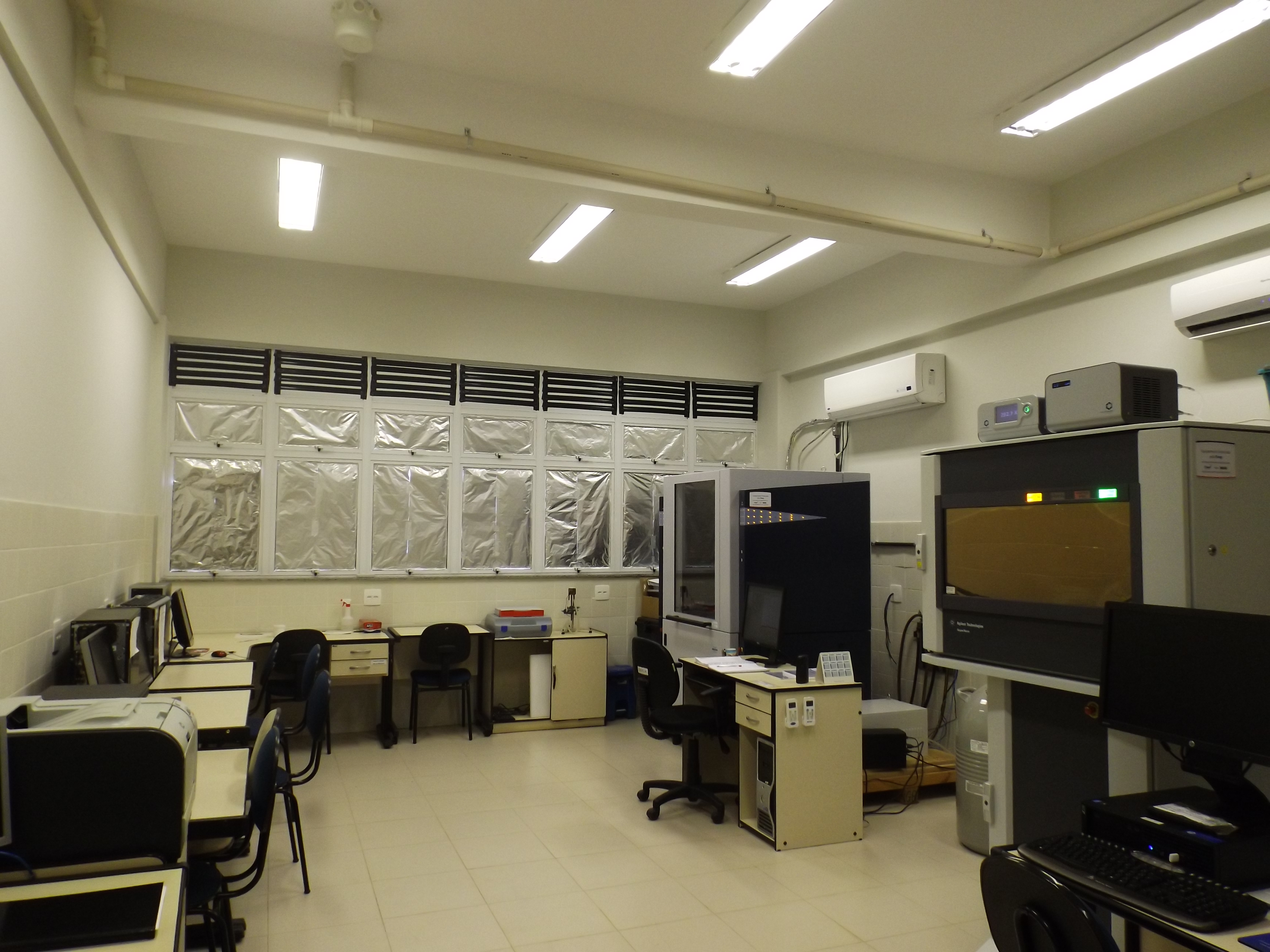
Overview of Crystallographic room

Difractometer D8 Brukker da Vinci
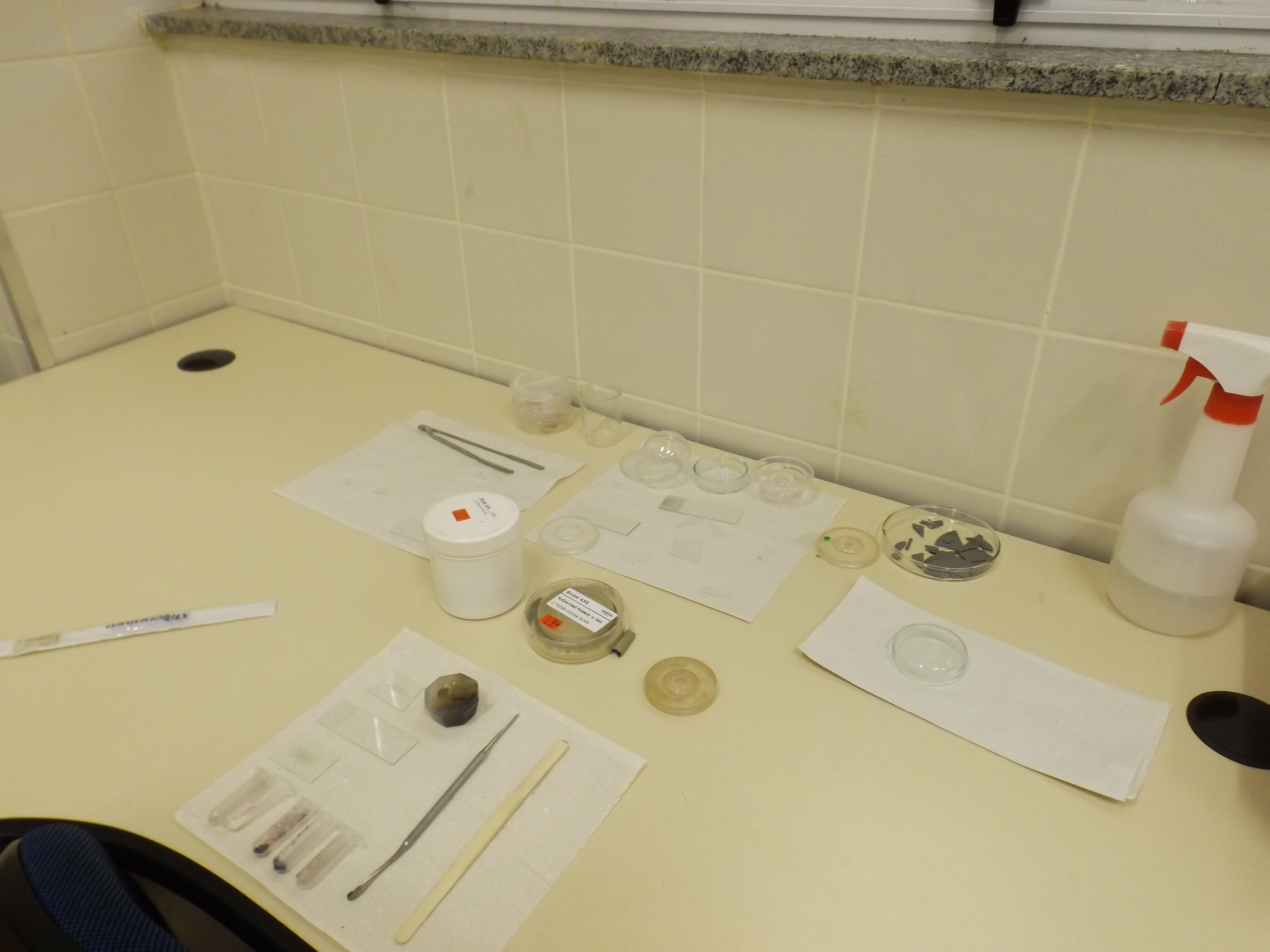
View of crystallographic Lab - Table for manipulating samples