
Guarita Indigenous Land
The Guarita Indigenous Land covers 23,000 hectares, and its flora is part of the Atlantic Forest biome.
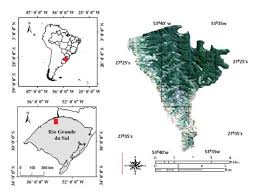
Guarita Indigenous Land (T.I. Guarita)
This Indigenous Territory (TI) was named after a historical episode related to the Paraguayan War in the 19th century, during which many Kaingang people supported the Brazilian army. The name Guarita means “guard” or “lookout.”
It is home to the largest population of Kaingang people in Brazil—approximately 7,000 individuals—as well as a smaller Guarani population of about 3,000 inhabitants. The Guarani community is further divided into two subgroups: Guarani Mbya and Guarani Ñandeva.
These two Indigenous peoples have distinct languages, customs, rituals, and political and social organizations.

 This Indigenous Territory was named after a historical episode related to the Paraguayan War, which took place in the 19th century. During the conflict, many Kaingang people supported the Brazilian army. The name Guarita means “guard” or “lookout.”
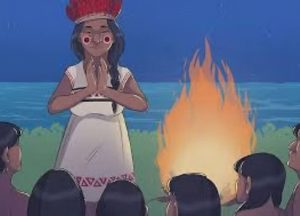
Regarding spirituality, each village has a sacred place where rituals are performed. Both ethnic groups practice numerous rituals, with special emphasis on the Kaingang’s ritual of honoring the dead, known as the Festa do KiKi.
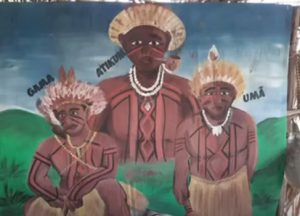
More than a mere geographic space, the Indigenous Land represents, for the Kaingang and Guarani peoples, a space of collective life and the preservation of culture and values.
Both peoples possess great skills in fishing, hunting, and gathering their food, and maintain a close spiritual and mythical relationship with nature.
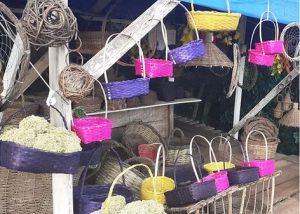
These peoples frequently travel to visit “relatives,” trade crafts, or exchange knowledge.
Despite this mobility, they maintain a strong connection to their land of origin.
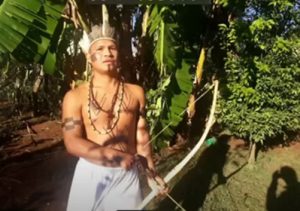 The Kaingang bury the umbilical cord of newborns to mark their place of origin and to ensure a permanent connection with their Mother Earth.
Family relationships are essential to daily life and remain a vital resource for protecting their culture, as they strengthen identity and the sense of belonging.